Teen Fitness in Dubai: What Parents Need to Know About Strength Training
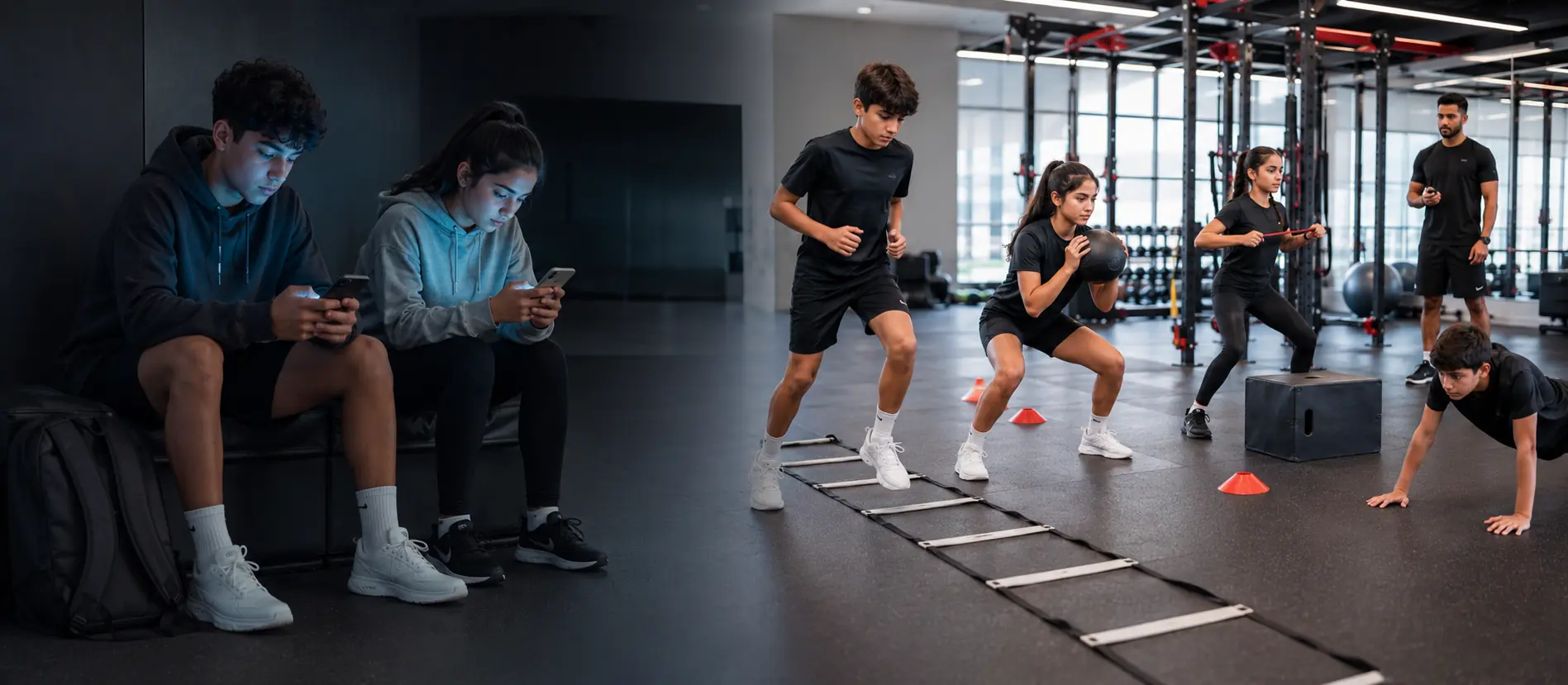
Teen fitness Dubai searches spike for a reason: somewhere around age 12 or 13, kids' fitness needs change. Open-ended play stops being enough, school pressure increases, and many teens start asking about the gym, strength training, or how to "actually get fit" rather than just staying active.
Parents' first question is usually the same one: is strength training safe for teenagers? It's a fair question, and the short answer, backed by paediatric research, is yes, when it's supervised and age-appropriate. Below, this teen fitness Dubai guide covers what safe training actually looks like, what to expect from a structured session, and where to start in Dubai and Abu Dhabi.
In This Guide
- Is strength training safe for teens? What the research says
- How teen fitness differs from adult training
- What a safe teen strength session actually looks like
- Common parent concerns, answered directly
- Where teens can train safely in Dubai and Abu Dhabi
Clubs
Across Dubai and Abu Dhabi
Weekly Classes
Group classes running every week
Select Clubs
City Tower 2 and DAFZA open 24 hours
Teen Fitness Dubai: Is Strength Training Safe?
Yes — and this is the core question behind teen fitness Dubai. The American Academy of Pediatrics states that resistance training is safe and effective for children and adolescents when programmes are well-designed and properly supervised. Concerns about strength training stunting growth or damaging growth plates are not supported by the evidence when training is supervised and technique-focused.
That doesn't mean any gym routine is appropriate for a 13-year-old, though. The difference between safe and unsafe teen training isn't really about age, it's about supervision, technique, and progression.
What Makes Teen Fitness in Dubai Different From Adult Training
Technique Before Load
Form is prioritised over weight. 8–15 controlled reps with good technique before any increase in resistance.
Qualified Supervision
Guidance from a coach who understands youth training reduces injury risk significantly versus unsupervised training.
Built-In Recovery
Around 48 hours rest between sessions on the same muscle groups, plus proper hydration and nutrition.
Realistic Frequency
Two to three structured sessions a week, not daily training or maxing out on lifts.
What a Safe Teen Fitness Session Looks Like
A well-run teen fitness Dubai session generally follows a simple structure: a proper warm-up, technique-focused strength work using bodyweight, resistance bands, or light, appropriately loaded equipment, some conditioning, and a cool-down. Typically, strength work is kept to around 20–30 focused minutes, several sets of 8–15 repetitions.
| Training Focus | What It Looks Like | Why It Matters |
|---|---|---|
| Technique & mobility | Bodyweight movements, form coaching | Builds the base before adding load |
| Strength foundations | Light resistance, bands, controlled reps | Real strength without excessive risk |
| Conditioning | Circuits, controlled cardio | Supports fitness without overtraining |
| Recovery | Rest days, hydration, sleep | Where actual adaptation happens |
Teen Fitness Dubai: Parent Concerns, Answered
Will it stunt my teen's growth?
No credible evidence supports this. Well-supervised resistance training has not been shown to negatively affect growth plates or final height.
Isn't my teen too young to lift weights?
Age alone isn't the deciding factor, supervision and technique are. Structured programmes for young teens typically use bodyweight and light resistance before progressing.
What if my teen just wants to "get fit," not bulk up?
Across teen fitness Dubai programmes, this describes most teens who start training. Structured strength and conditioning improves general fitness, posture, and athletic performance for any sport, not just visible muscle.
Is unsupervised gym use risky for teens?
Generally, yes: most injuries linked to youth strength training come from unsupervised training with poor technique, not from structured, coached sessions.